
Emergency Water Extraction
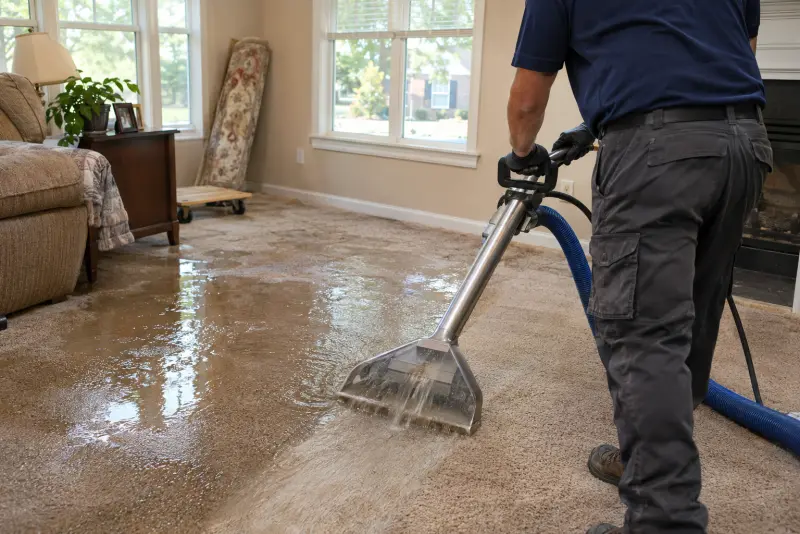
Standing water removed before it reaches drywall, trim and stored belongings.
Get help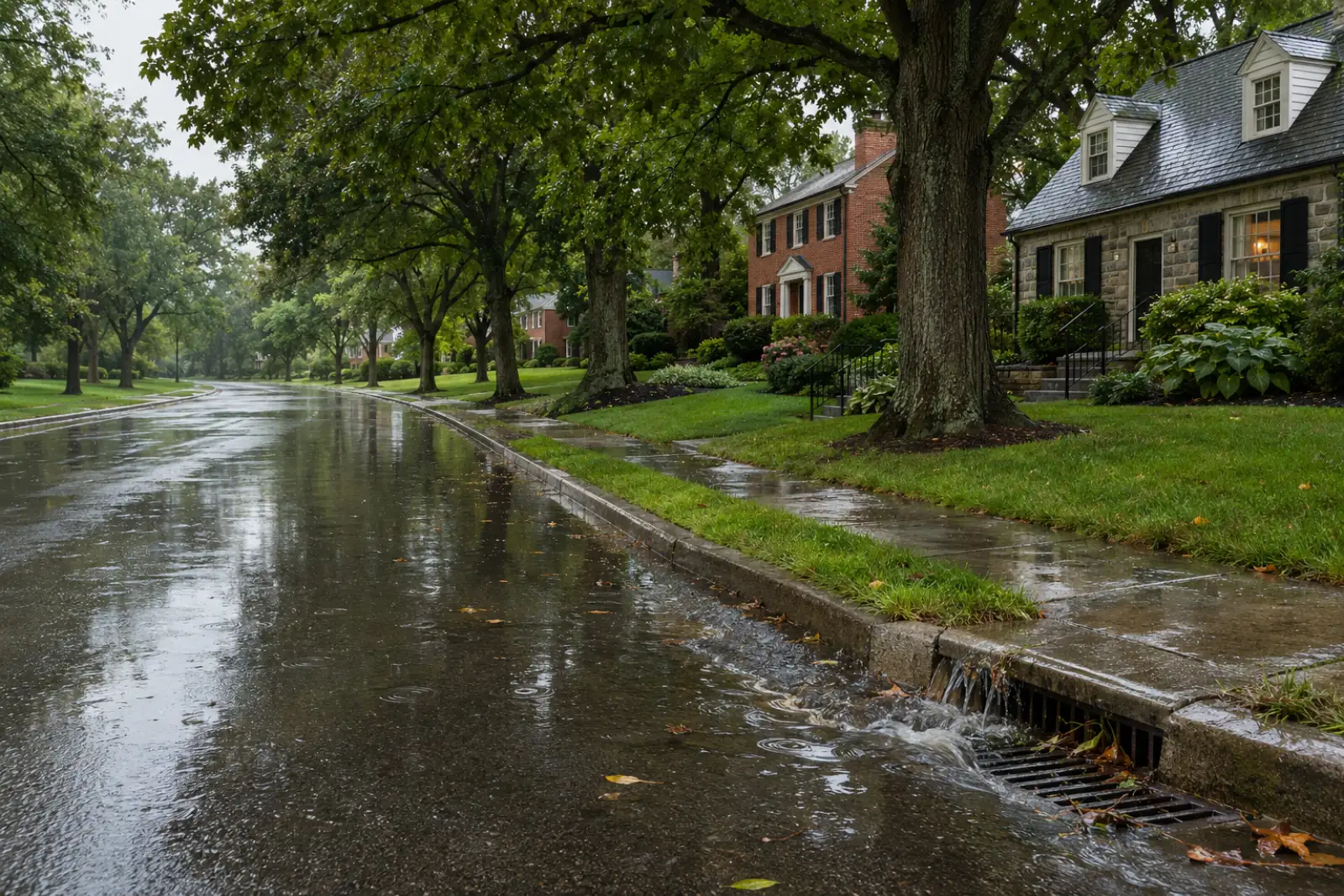
Kennesaw's subdivisions went up fast in the 1980s, 1990s and 2000s. Many of the plumbing materials from those decades are now reaching the end of their service life.
Call (470) 555-0100 Or see how to reach dispatch. Calls are answered 24/7.Kennesaw spreads out from the historic downtown along the railroad, past Kennesaw State University and Town Center, and up toward the slopes of Kennesaw Mountain. Most of the housing is suburban subdivision stock: two-story traditionals, ranches over crawlspaces and townhomes near Barrett Parkway and Chastain Road.
Homes from the late 1970s through the mid 1990s were often plumbed with polybutylene supply line, which can fail at fittings without warning. Later homes moved to CPVC and PEX, which are more reliable but still fail at water heater connections, ice-maker lines and washing machine hoses.
Runoff is the other local pattern. Lots graded toward Noonday Creek and its tributaries hold water in red clay after heavy rain, and basements dug into hillsides take seepage at the low wall.
The same four failures account for most of the calls we run in Kennesaw.
Grey polybutylene supply line was common in homes built before the mid 1990s. It can fail at crimp fittings with no warning, often inside a wall or ceiling. Repairs frequently reveal more of it nearby.
Many Kennesaw homes have the air handler in the attic. A clogged condensate line or rusted drain pan sends water straight into the ceiling below, usually during the first hot weeks of summer.
Basements dug into slopes take water at the uphill wall. Red clay holds the water against the foundation, so seepage can continue for days after the rain stops.
Washing machine hoses, ice-maker lines and water heater connections fail under pressure. A second-floor laundry room sends water into the ceiling and walls below.
A wet floor is a symptom. The useful question is whether the water came through the foundation, down from the attic or out of a pipe. The answer changes the cleanup and the repair.
The same crew handles extraction, drying, contamination cleanup and the repair.
Standing water removed before it reaches drywall, trim and stored belongings.
Get help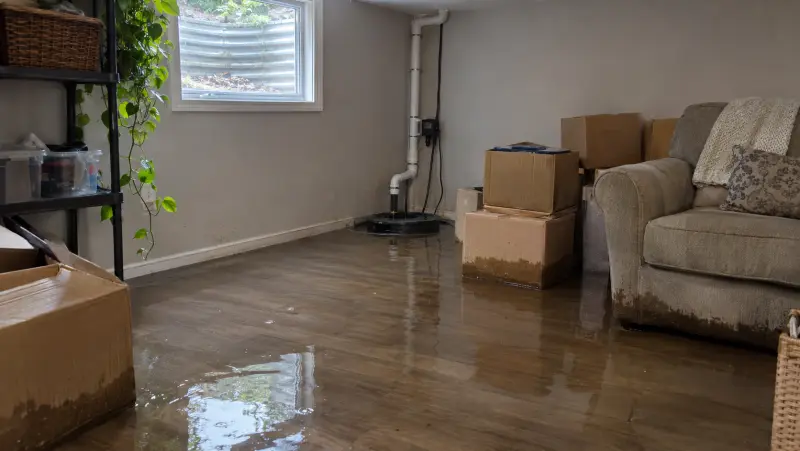
Hillside basements, wet crawlspaces and storm runoff against the foundation.
Get help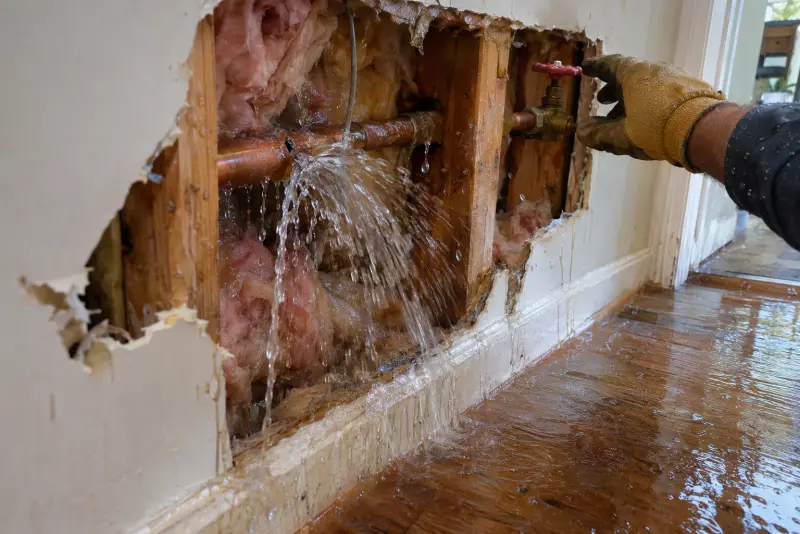
Hard-freeze splits, hidden wall leaks and ceiling stains traced to the source.
Get help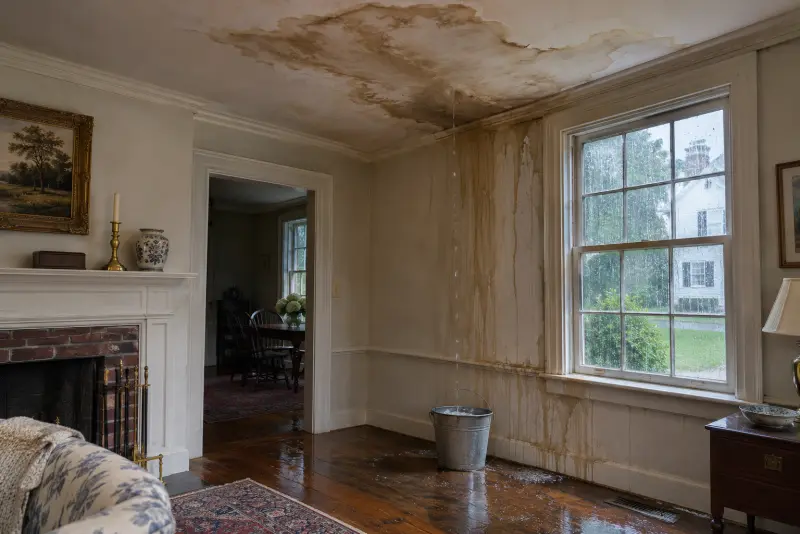
Wind-driven rain, fallen limbs and ceiling leaks after a north Georgia thunderstorm.
Get help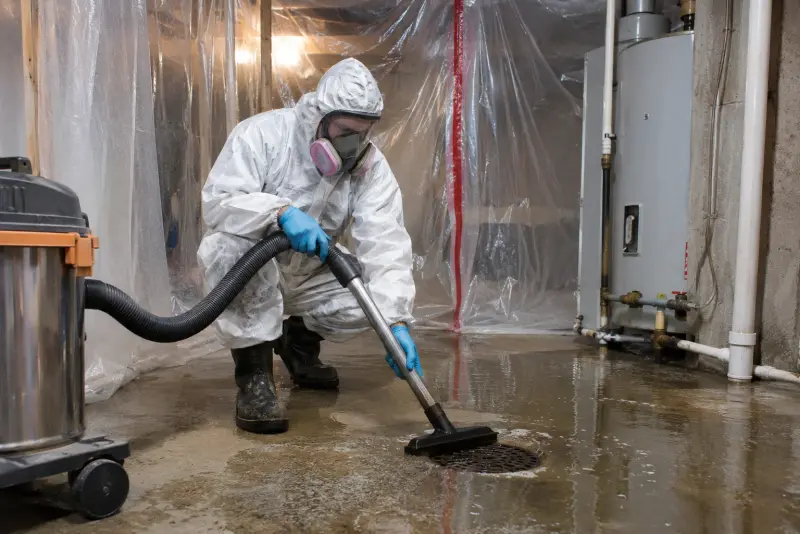
Contaminated water handled with containment, PPE and proper disinfection.
Get help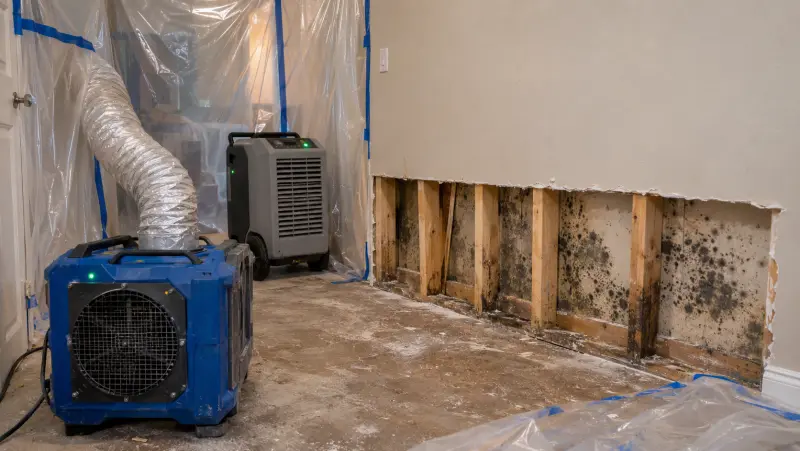
Containment, HEPA filtration and repairs after the structure is dry.
Get helpLocal knowledge matters when the housing stock changes block by block.
30144 · Older homes and storefronts near Main Street. Aging drain lines, crawlspaces and roof leaks.
30144 · Retail, restaurant and office properties. Flat roofs, sprinkler lines and overnight supply breaks.
30144 · Apartments and townhomes near Kennesaw State. Shared walls and one leak affecting several units.
30152 · Sloped wooded lots. Storm runoff, gutter overflow and foundation seepage after prolonged rain.
30144 · Mixed residential and commercial buildings. Water heaters, roof drains and slab leaks.
30152 · Larger lots and newer subdivisions. Finished basements, sump pumps and attic HVAC condensate leaks.
These are the signs that usually justify a moisture inspection rather than a wait-and-see approach.
Send a photo or describe what changed. We will tell you whether it needs a visit today.
Call now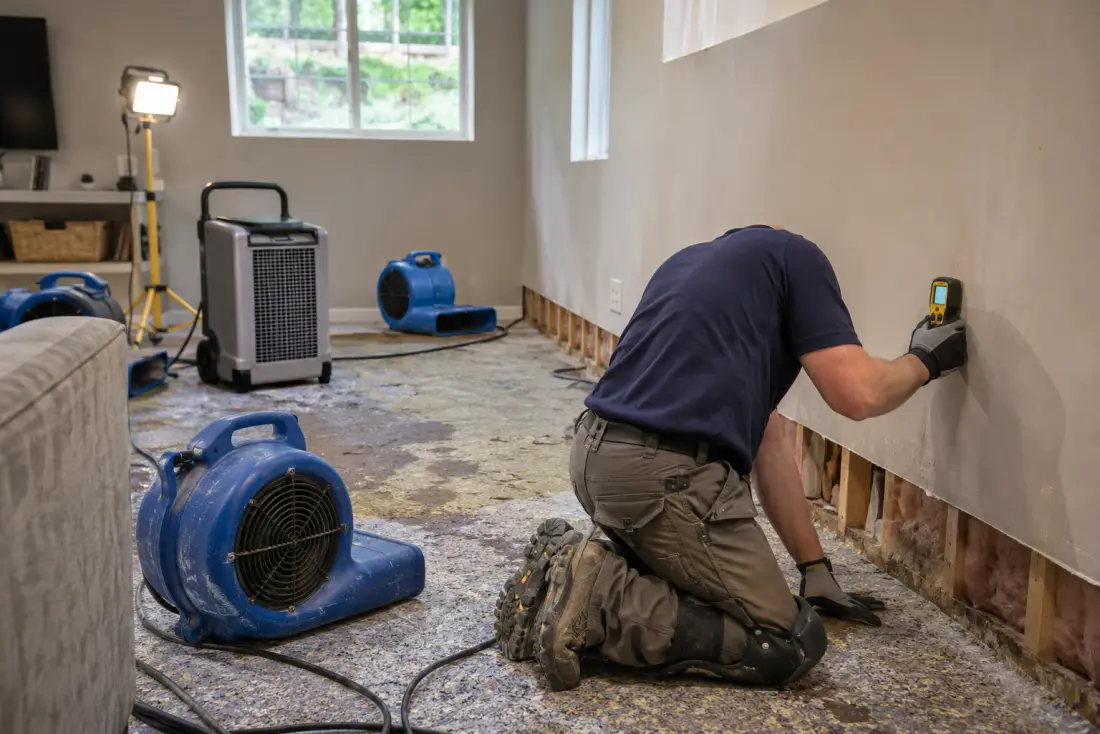
No mystery, no pressure. Here is the sequence from the first call to the final reading.
We confirm the address, the source and whether the water is contaminated. You get safety guidance before the crew leaves.
Moisture meters and thermal imaging map the affected area. We photograph materials and record readings.
Standing water is extracted. Saturated carpet, pad and material that cannot dry in place are removed and documented.
Equipment is sized to the space and checked daily. Drying continues until readings meet the dry standard.
Drywall, trim, flooring and paint are scoped after drying and insurance review.
We reach Kennesaw from I-75 at Chastain Road or Barrett Parkway, and along Cobb Parkway from the Acworth side. Downtown, the Kennesaw State area and the neighborhoods toward Kennesaw Mountain are all a short run.
If your subdivision has a gate code, limited street parking or HOA work rules, tell dispatch. We plan hose runs and equipment placement before arrival so the crew is not blocking neighbors.
Use the map link for the general area. For a crew response, call and give the exact address, gate code and any access notes.
Open area mapLocal answers, not a national script.
That is a plumbing decision, not a restoration one. A licensed plumber can assess the system. From our side, we document every wet area so a partial repair does not leave saturated material behind, and many carriers ask about polybutylene, so the documentation helps.
Turn the system off at the thermostat, put a container under the drip and call us. We dry the ceiling, insulation and framing, and the HVAC contractor clears the condensate line or replaces the pan.
Yes. We coordinate with tenants, landlords and property managers, and we document the unit boundaries so responsibility is clear.
Usually. We ask when it happens, what it smells like and whether it lines up with rain or fixture use. Moisture mapping and pressure isolation confirm the source before demolition.
Request service
Call for active water, estimates, scheduling and questions. If water is near outlets, a panel or a gas appliance, leave the area and call from a safe place.
One call gets you shutoff guidance, an arrival window and a plan for Kennesaw. Have your address and any insurance claim number ready.
Call (470) 555-0100Tap to call from your phone.
Call now. We will tell you what to shut off, what to move and what to leave alone until the crew arrives.
Call (470) 555-0100